
The Cincinnati Review
In which I take Willa Cather's approach to writing

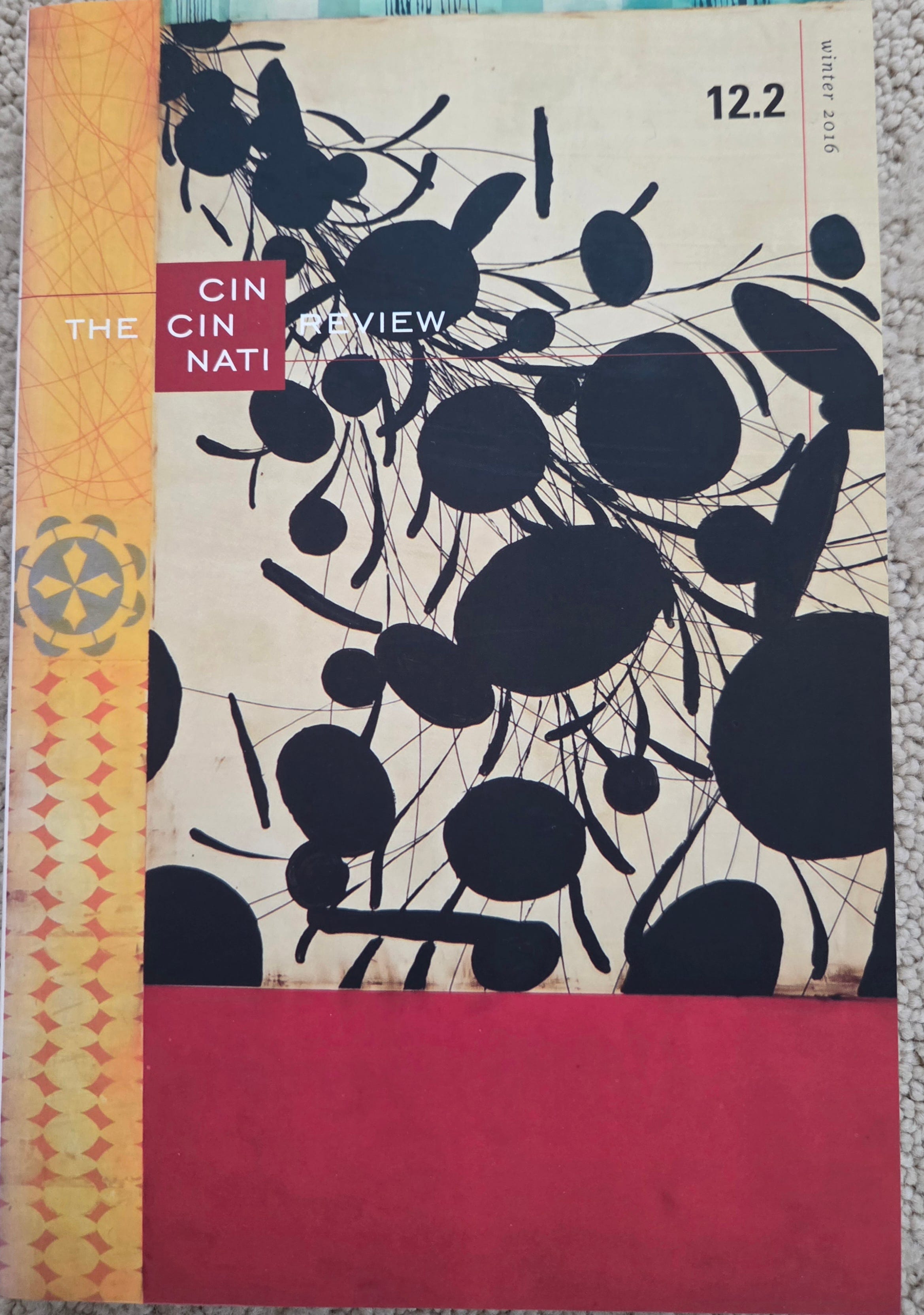
“How We Leave Home” appears in the Winter 2016 issue of The Cincinnati Review (12.2), a journal I had long yearned to appear in (and have been lucky enough to appear in now twice). It’s based at the University of Cincinnati, is helmed by a professional staff, pays for work, and in my experience will work with you to make your story the best it can be. Also, while I can’t promise this will happen to, I see in my records that this story was accepted on my birthday!
I adapted this story into a section of my novel Silver Girl. Right around this time I started my (still ongoing!) prompt group, and Silver Girl contains many pieces written in 15-to-30-minute spurts, prompted by one simple word. For example, the opening page below started with the prompt word, “adventure.” What a tremendous shift in my writing process, easing the fear of oh-no-I-have-to-write-300-pages-of-a-novel into no-worries-I-can-write-for-half-an-hour. What I also like about working on a large project through open-ended prompts is the low-pressure opportunity to explore characters and/or POV and/or settings. Here, I was trying to understand the background of Silver Girl’s college girl narrator, who’s unnamed. (And to understand for myself and the writing ahead, why she must stay unnamed…because trust me, many, many, many readers/editors resist unnamed narrators—so the writer should have a solid foundation from which to make this decision.)
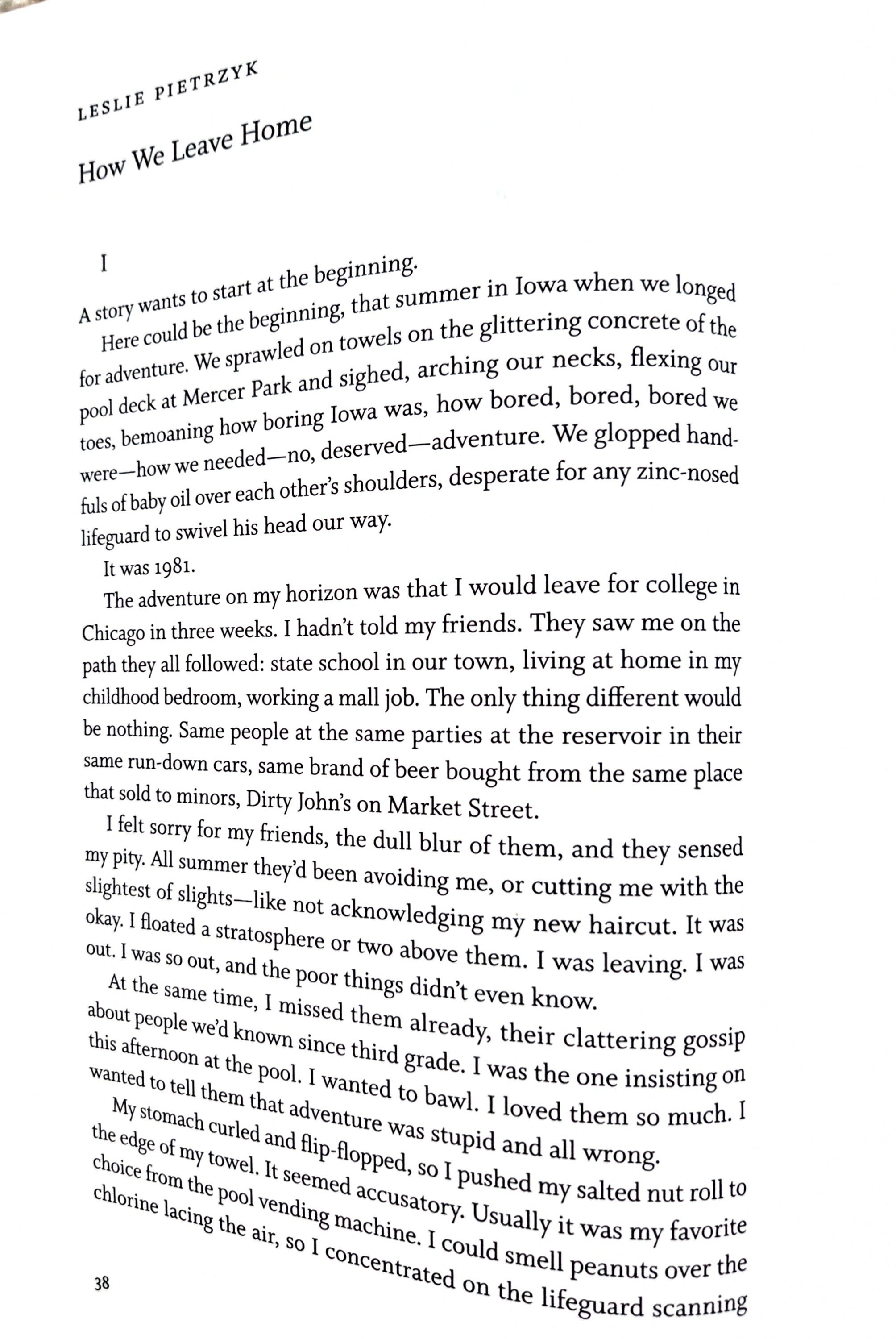
In the story, which is set in 1981, the narrator’s planning to secretly leave her hometown in Iowa to go off to a college she finagled herself into. She’s both thrilled and terrified, an emotional whirlwind of conflicting feelings that ramp up when her best friend announces she knows the narrator’s pregnant. Off-screen, she gets an abortion, using her friend’s stash of tip money—even as she knows she’ll abandon this good friend in the press forward to create a new life for herself. Eventually we learn the father of the child is a ne’er-do-well, musician uncle, crashing in her family’s basement for the summer. There’s a seduction, and, well…we find out a few more secrets about what’s going on in this household. We jump in time to Thanksgiving, when the narrator has scraped together enough money for a bus ticket to surprise her family with a visit home, fantasizing on the long ride of a storybook reunion. However, she calls to get picked up from the bus station—but no one’s home. Now, she must find her way back to Chicago, understanding all the ties truly are cut.
The story is divided into 5 sections (a classic number for structure), connected by a thematic thread asking, where does a story begin? How do we get formed, how do we make the decisions we make, how do we become who we’re going to be? Purposefully, the movement of the piece funnels down into a very dark couple of paragraphs that compose Section III (the middle of the structure), and Section V is two lines that snake us back to the beginning. I appreciate that the editors maintained my numbered format. I also appreciate that the editors rightfully pointed out the factual error in this opening, when the narrator describes herself as “floating a stratosphere or two” above her friends. There’s only one stratosphere, specifically…yet I knew this girl would know the word “stratosphere” but potentially misuse it. STET!
To create the story, I basically pushed together two of my prompt pieces: the first piece set at the swimming pool where we discover the narrator’s pregnancy and plans for leaving, and the second piece, when she returns home for Thanksgiving. The middle is simply (HAHAHA) writing to connect the two. Frankly, this is pretty much how I pieced together the novel as a whole, which is why I call it a “collage novel.” (Trademark pending.)
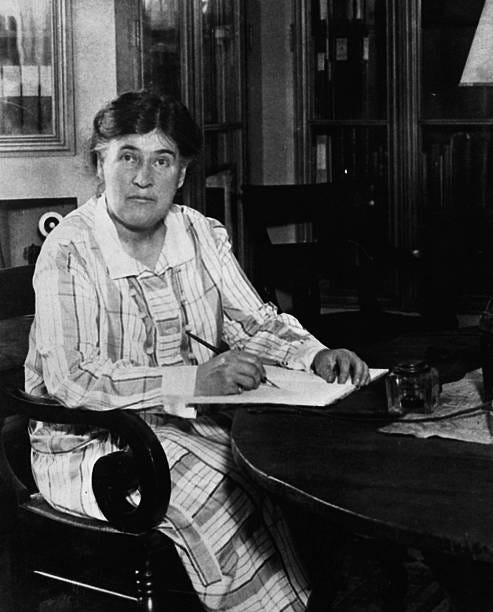
The decision to juxtapose two unrelated pieces came from Willa Cather, who I was deep-dive reading about while at a writing residency in Nebraska. In an interview or essay I can’t track down quickly, she noted often juxtaposing pieces for effect (especially evident in My Antonia). Also around this time, I (finally!!) read Jesus’ Son by Denis Johnson and found an interview where he talked about how he liked placing together two elements that had nothing to do with each other. Voila! Steal from the best, people say and I agree.
Lots of little drop-ins from my IRL life: I bought soooo many salted nut rolls from the pool vending machine, just like this girl, and my friends and I hung out at Country Kitchen late at night, probably not tipping the poor waitresses enough. There’s a reference to the beloved old-time department store Younkers, and the narrator is working her way through Agatha Christie books, exactly how I spent long-ago summers. (Plus, she peeked at the end of The Murder of Roger Ackroyd, which I did [ruining the book, IYKYK]—a fun detail, but also me hinting at an unreliable narrator, which this girl definitely grows up to be.) And her Thanksgiving fantasy includes making stuffing, which I LOVE. Go here and scroll down for my recipe (you’ll thank me come November).
Rereading these stories is making me notice what I’ll call “core line/s” that suddenly snap the story into a surprising focus. I’m not sure I notice this feature as prominently when I’m reading a story written by someone else, because here I’m bringing along my writing process and the secrets of my life/experience no reader is privy to. Anyway, just a theory, but here’s the line that stands out in this way for me. She’s thinking about tiny details of her house that she’s forgotten while she’s been away, realizing:
I’d thought I would know these things forever.
I also like that back at school she shares her Thanksgiving fantasy with her friend as if it really happened that way, observing:
I thought about my story so hard that it became real.
Isn’t that what we’re all doing?
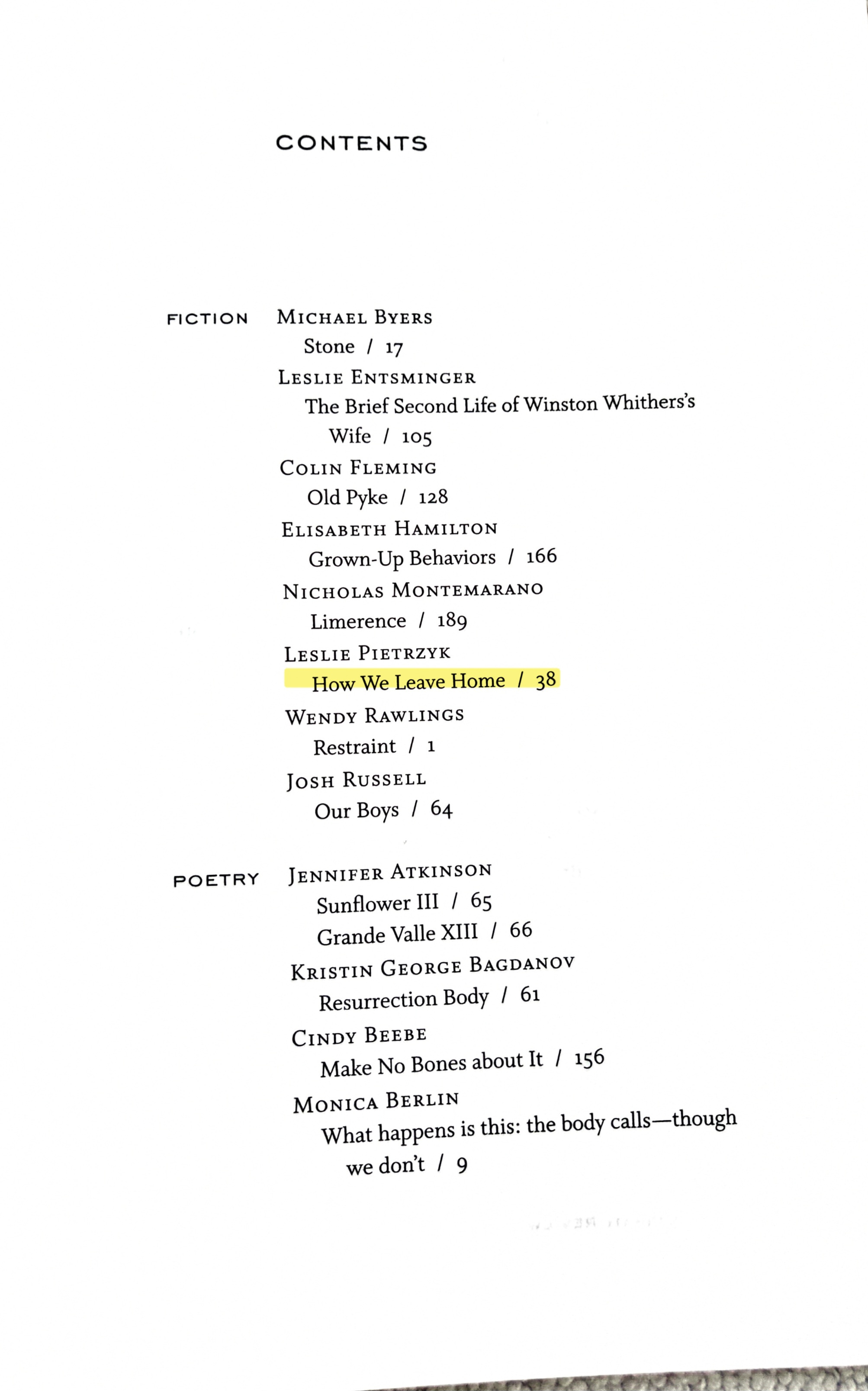
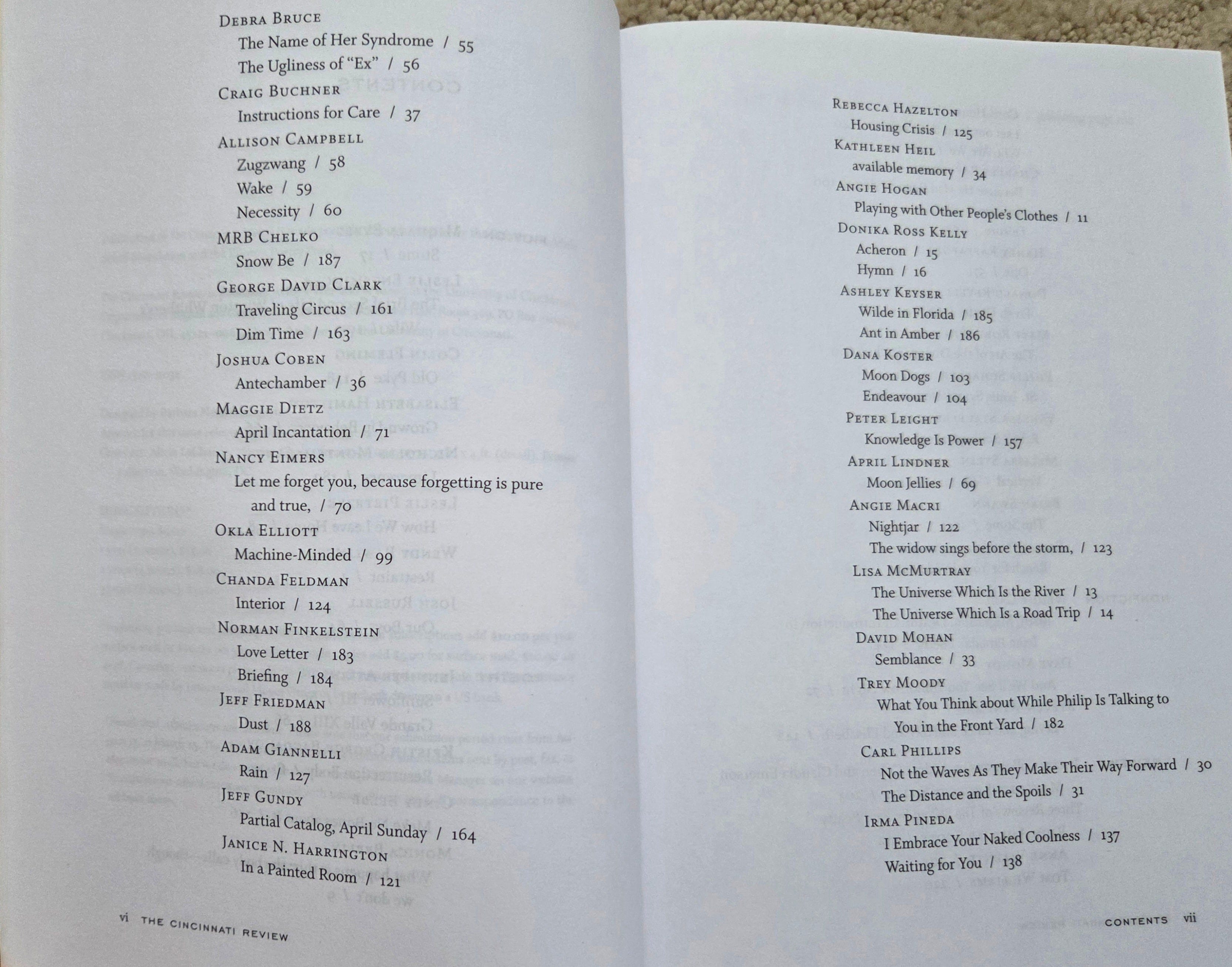
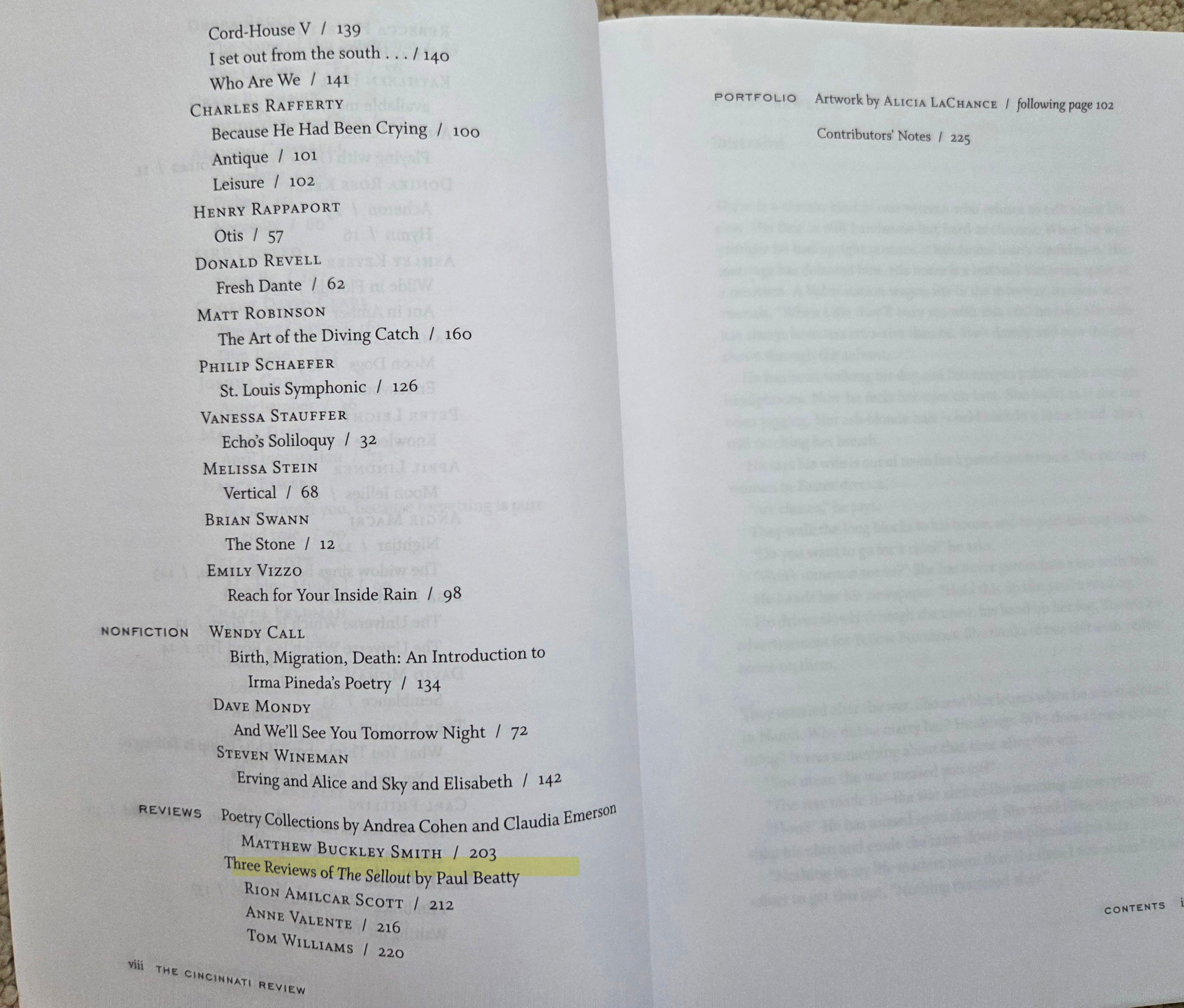
Long Table of Contents…I love this idea of printing several reviews of the same book! And I’ll note there’s a lovely portfolio of artwork printed on glossy paper. Truly, an elegant journal. They’ll be open for print submissions in September….
Willa is one of my favorite authors. Great essay! Time to go find Silver Girl...
Collage novel! That explains why I love(d) SILVER GIRL so much.