
Natural Bridge
In which I "write happy"

“This Day with You” is one of my favorite stories, I think because I was trying to write something happy. Growing up, we spent many summer afternoons out on a ramshackle speed boat in the Coralville (IA) Reservoir, which was the largest body of water in the area. My father half-heartedly fished (because he preferred lake fish, not carp and catfish) while my sister and I and our friends screeched and squealed as we bobbed around in our lifejackets. (Probably another reason the fishing had to be half-hearted.)
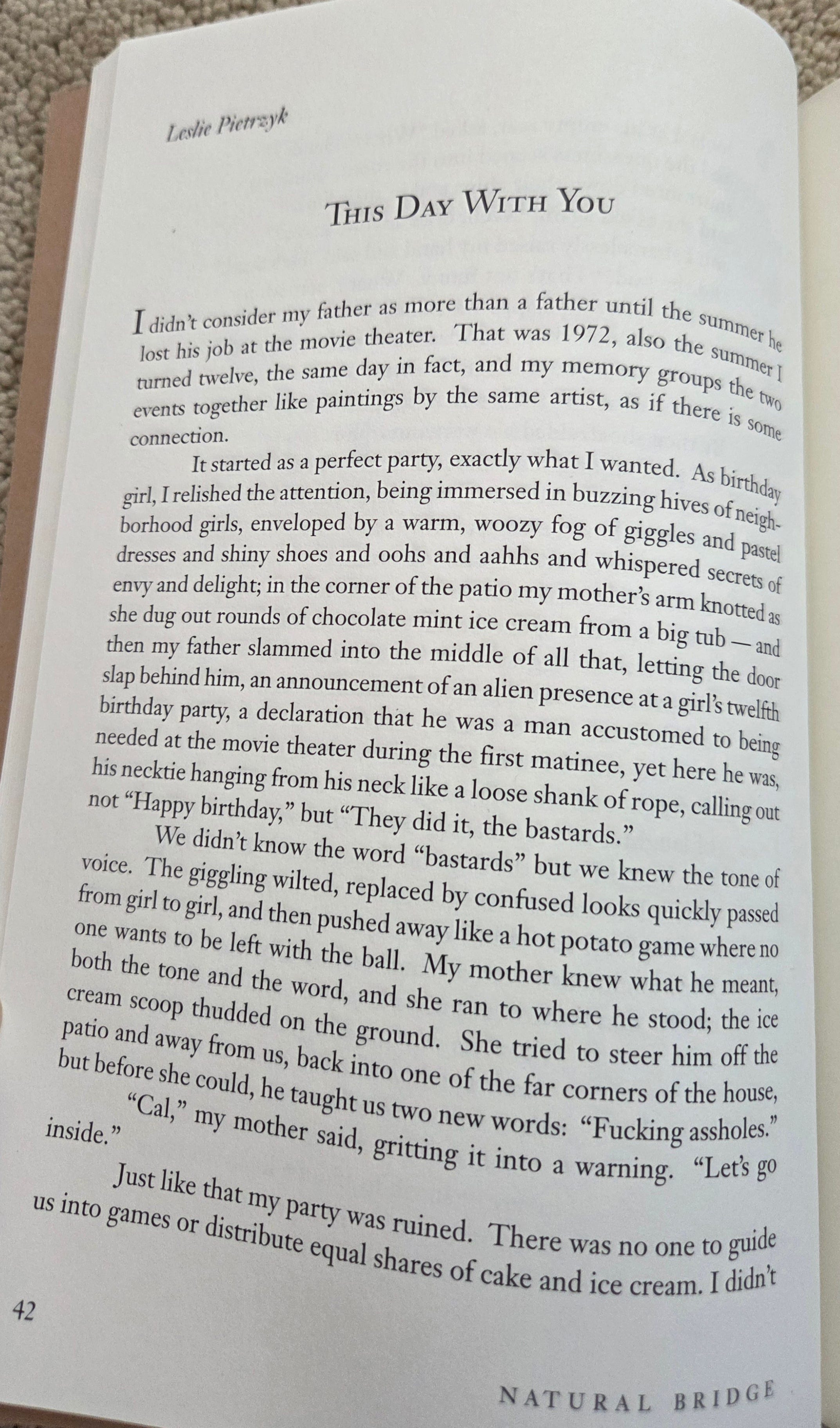
Anyway, this memory fueled this story, about a father in the 1970s who gets fired from his job as a movie manager. The job had defined him, was his all-consuming passion. Having sold popcorn in a movie theatre during high school, I can assure you that managing a movie theatre is NOT a typical job to throw oneself into. Nevertheless—once he’s stuck at home on this first day after being fired, he realizes his daughter’s growing up without him. So he takes her first to the theatre to steal candy (and, the reader assumes, money), and then they spend the afternoon out on the Reservoir in a rented boat, breaking several rules along the way: getting the life jackets wet, returning the boat waaaaay late. My favorite line is when the daughter asks why he got fired and after some dilly-dallying, he says,
“I think we can assume the reason I lost this job is so I could have this day with you.”
Awwww. Here’s why it’s hard to write a happy story. You’ve got to nail the tone and avoid sappiness; got to find the conflict that will keep the narrative running; got to keep the reader interested and not thinking sullen and cynical thoughts. Lately I find myself thinking more and more about “writing happy.” My father doesn’t really read much of my work, but I still wanted to write a story that he might like. Maybe that’s the key to writing a happy story, to imagine the person you most want to read it and why you want this to be “their” story?
Anyway, if it’s hard to WRITE a happy story, it’s also—in this case—hard to publish it. I wrote this story in 1991, and here it is, finally published in 1999. There are some unusual extenuating circumstances, but also there’s my sheer ambition, when I consider some of the places I originally sent this story to: Atlantic, New Yorker, Story, Ploughshares. I got some encouraging notes from several editors (back when it was easier to scribble something on a tiny, paper rejection slip), so that’s one thing that kept me going. The main thing, though, is simply that I loved this story all along.
Finally, in 1994, it was accepted by a journal called Webster Review, out of the University of Missouri-St. Louis. There it sat and sat and sat and sat until—the school shut down that journal and reconfigured the publication to Natural Bridge. I can’t remember if I was simply lucky enough to get my work chosen for the new publication or if all previously accepted work transferred over; I think it was the former. In any event, I’m amazed at my patience!
It’s also sort of amazing to have one’s work appear in the very first issue of a new publication (Volume 1, Issue 1, Spring 1999)! Anything can happen now…and what a delight to imagine all the work and effort and hope and faith the editors and students pour into that first issue. In this case, we were all rewarded as this is the very first story of mine that was honored by a “special mention” in the back of the Pushcart Prize book—!!—and I remember the editors being very excited to receive this recognition. (I hope some dean felt compelled to sign over more funding!) So, a long but rewarding journey—all the sweeter because I never once doubted this story.
Natural Bridge published through 2020 (founded by Steve Schreiner and eventually edited by Mary Troy) and now seems to have morphed into an online collaboration between Boulevard magazine and the MFA program at the University of Missouri–St. Louis. It’s unclear to me if submissions are through the school, through Boulevard, or through some other magical portal I can’t quite find. In any event, I’m happy the journal continues to find a way to carry forward.
I was struck by a passage in my story where the 12-year-old narrator refers to going downtown with her friend, reminding me to be happy I grew up in a place where we could safely “go downtown” as 12-year-olds alone. And I can’t tell you how many times the sound of cicadas shows up when I’m writing about the Midwest…some writers fall back on the classic line “a dog barked in the night”, but I guess in my neighborhood, cicadas were drowning out all the dogs, and here’s what I heard:
what’s left of the day lilts into the croon of those end-of-the-summer bugs that you can’t see but they’re there, peeling away layers of daylight down to the soft center of night.
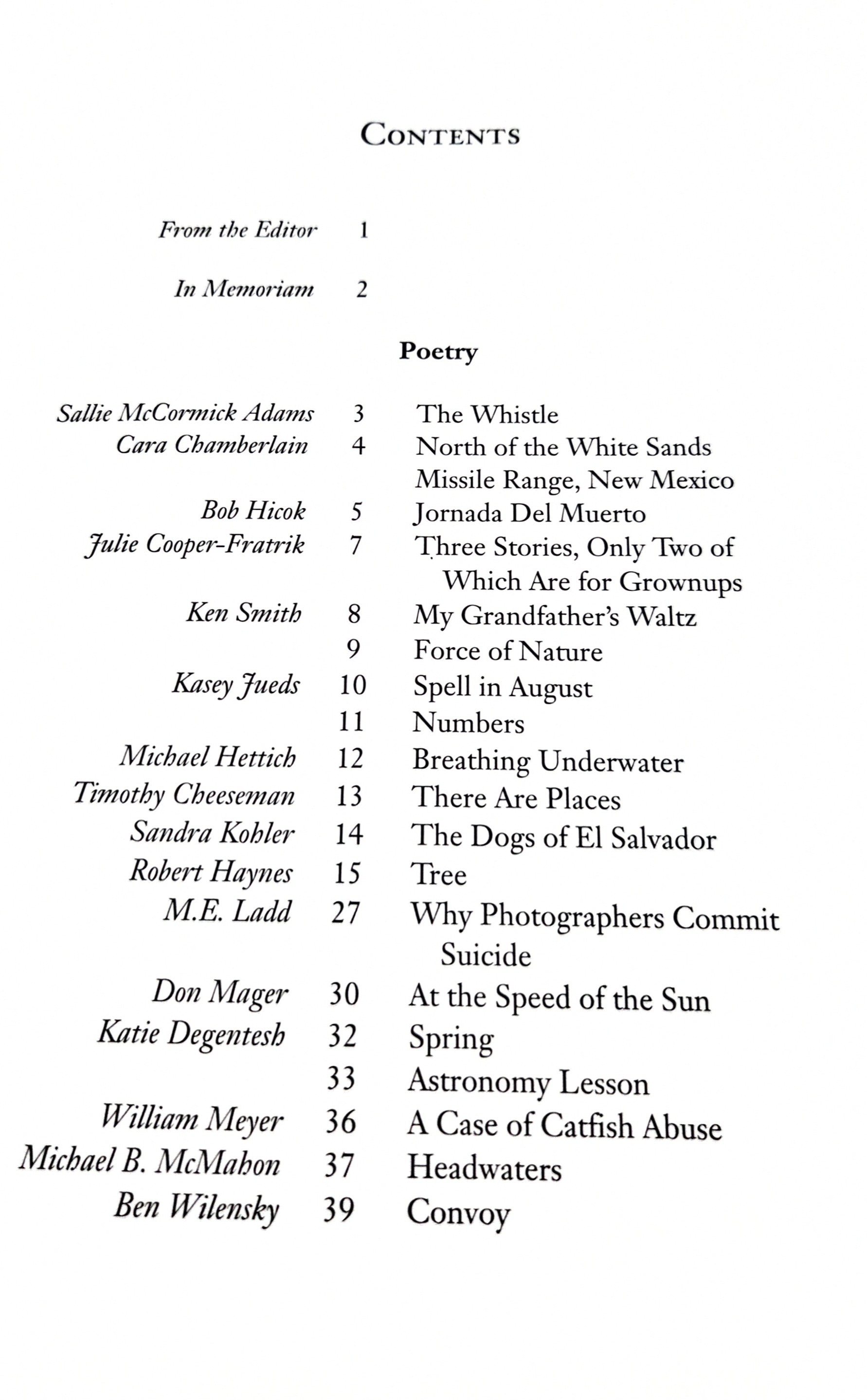
Okay, that line might be a bit overwritten, but I’ll stand by this passage, which I helplessly, eternally love, because it makes me so happy:
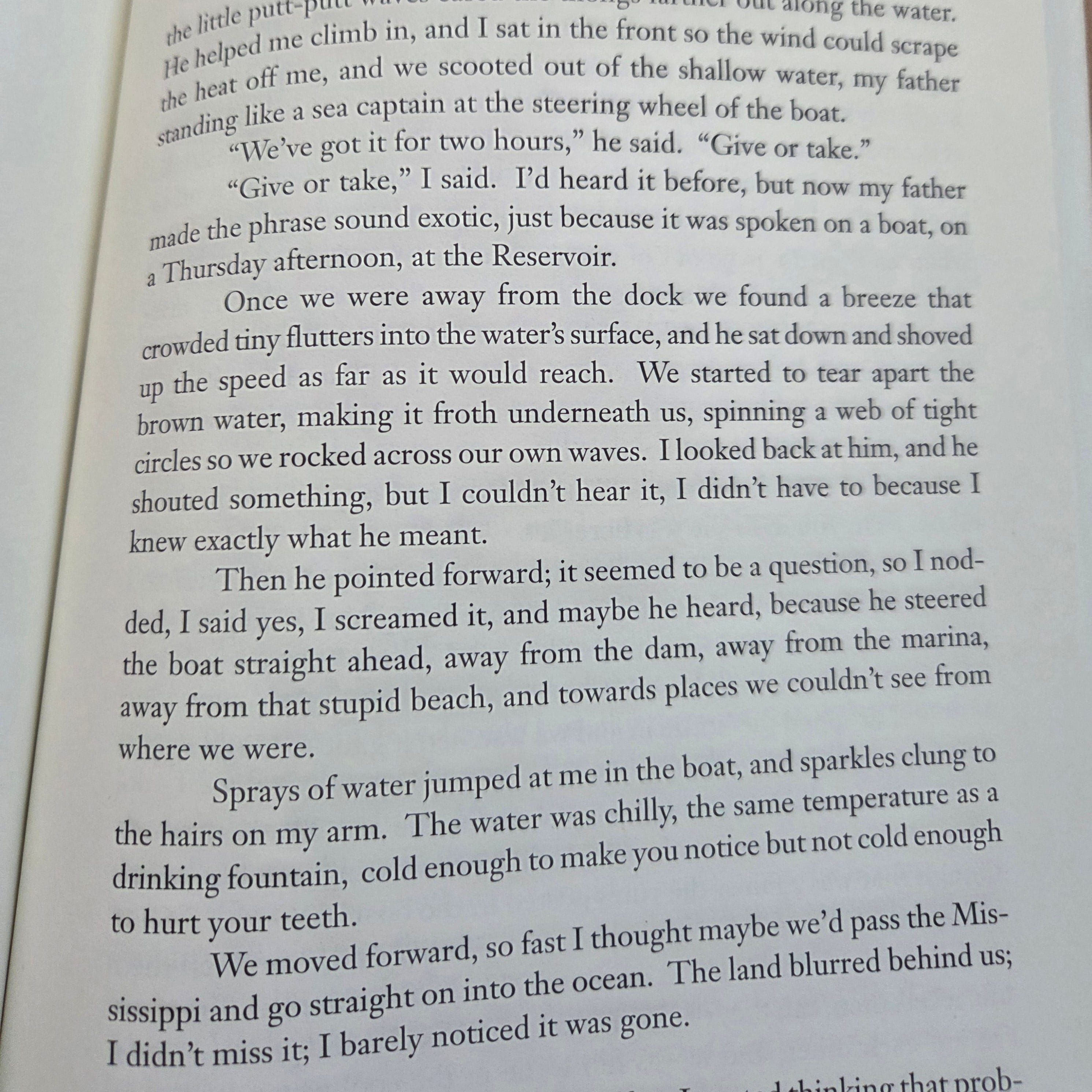
Looooong Table of Contents…but look, translations!
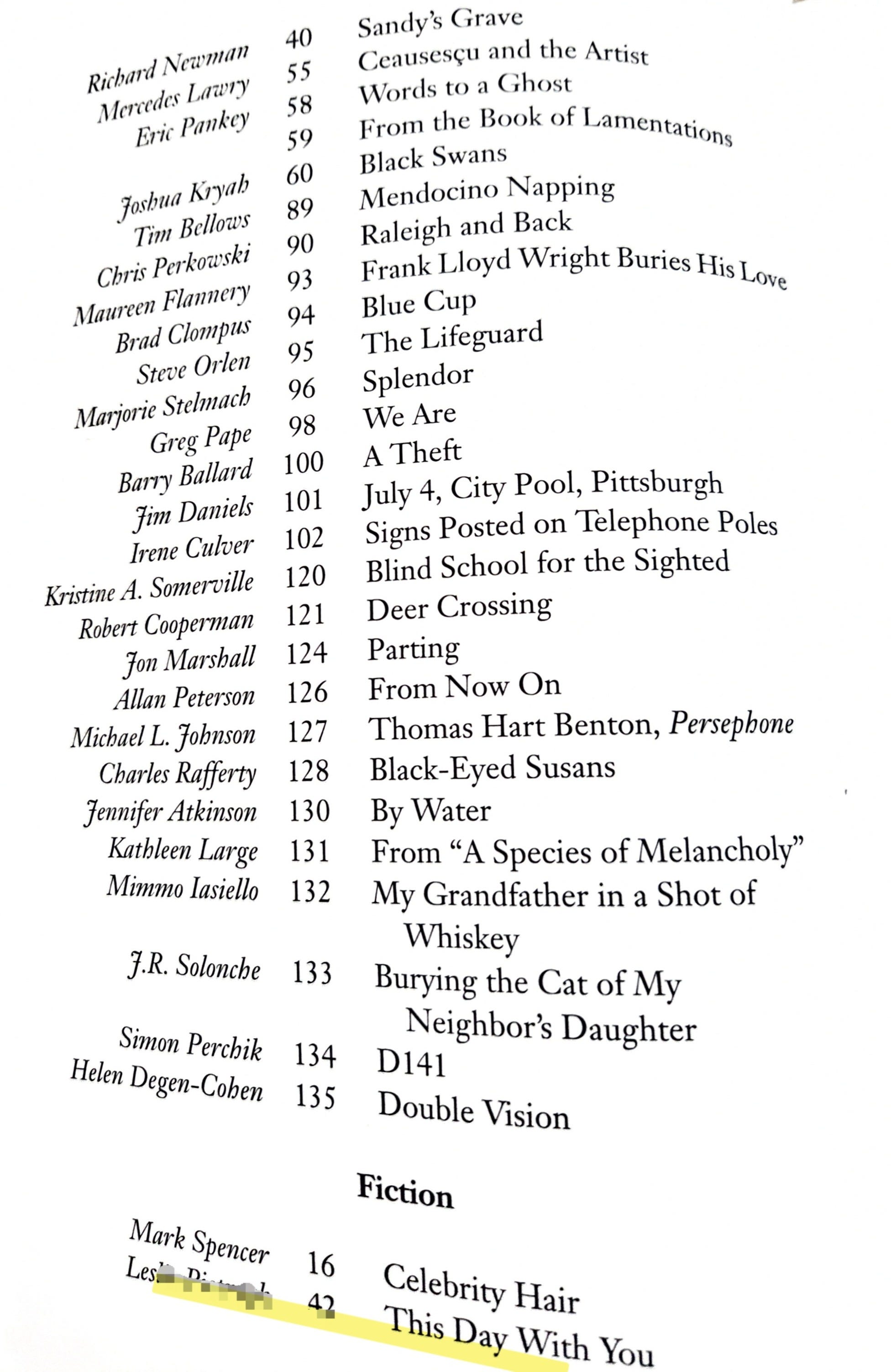
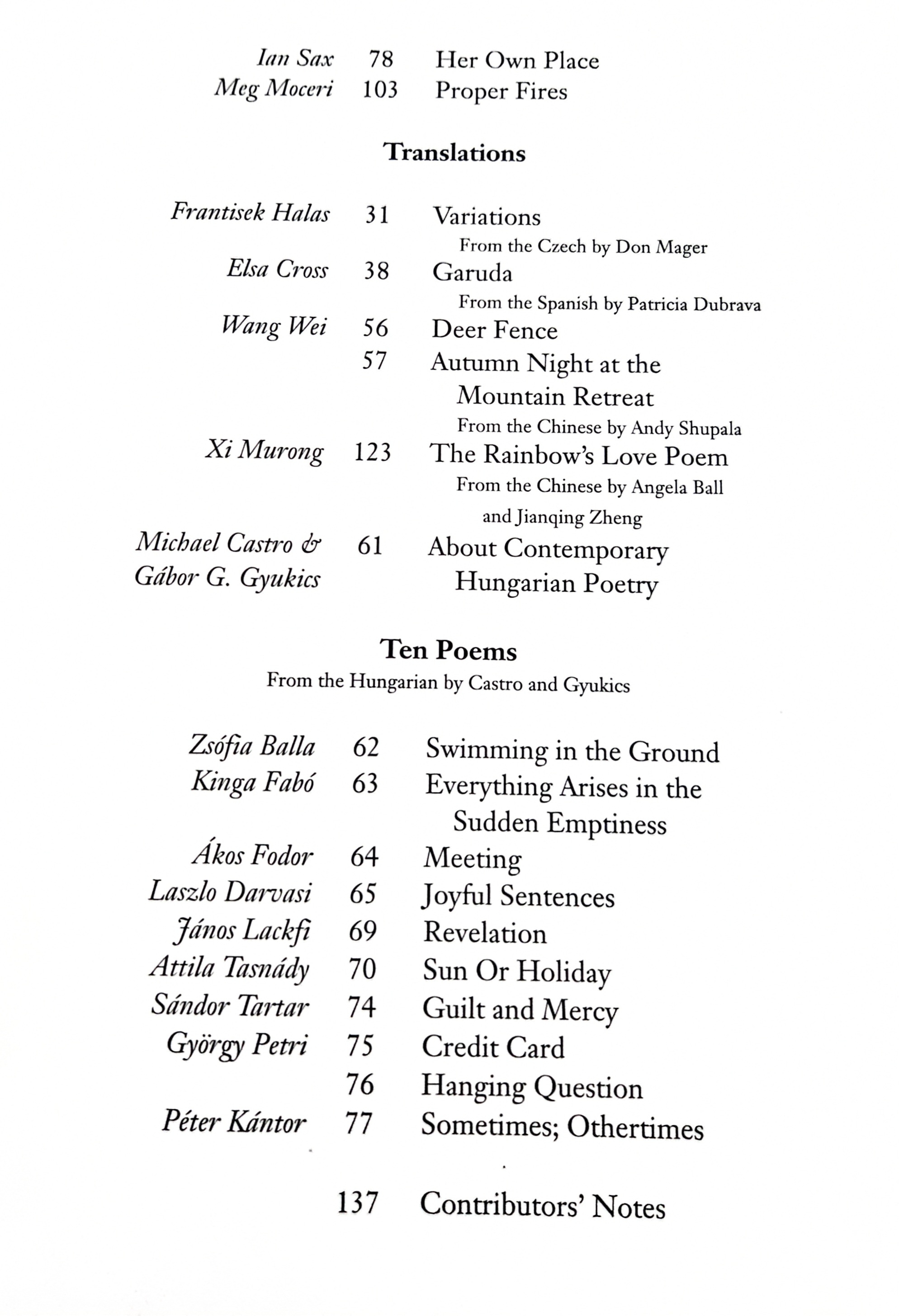
Lovely writing and lovely Father's Day week timing:). Maybe here you can post the wonderful photo of you as a teenager on a boat!
Beautiful essay. What we learn of this story "bridges" me to joy. And with memories of my own teenage job running the popcorn popper at the local movie theatre. Love your work, Leslie!