
Cottonwood
In which I write what I consider a "breakthrough story"

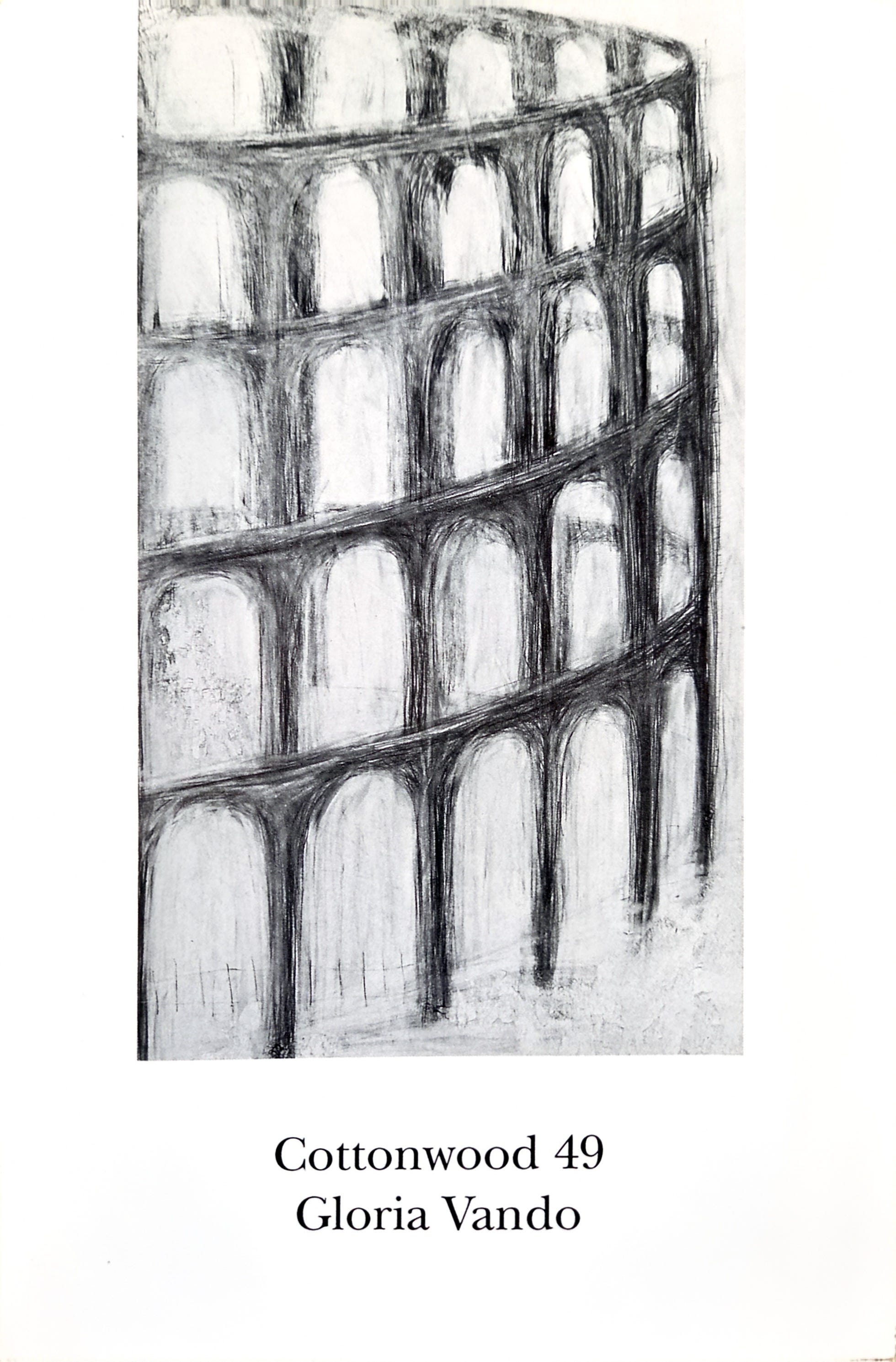
I chose this issue of Cottonwood 49 at random off my shelf because I couldn’t remember which story it contained, How delightful to discover a story I’ve been thinking about lately: “To Be Like That.” I wrote this story in the waning MFA days, too late to include in my thesis, and I’m pretty sure too late to share with the fiction workshop, though I remember a grad school friend telling me the last line was cool, so at least one person read it. In any event, I finished the story in 1985(!!), and it got accepted for publication in 1993, appearing, at long last, in Cottonwood in 1994. I sent it to 35 different journals and magazines, lightly revising it a couple of times. So, yeah—I really, really, really wanted this story to be published.
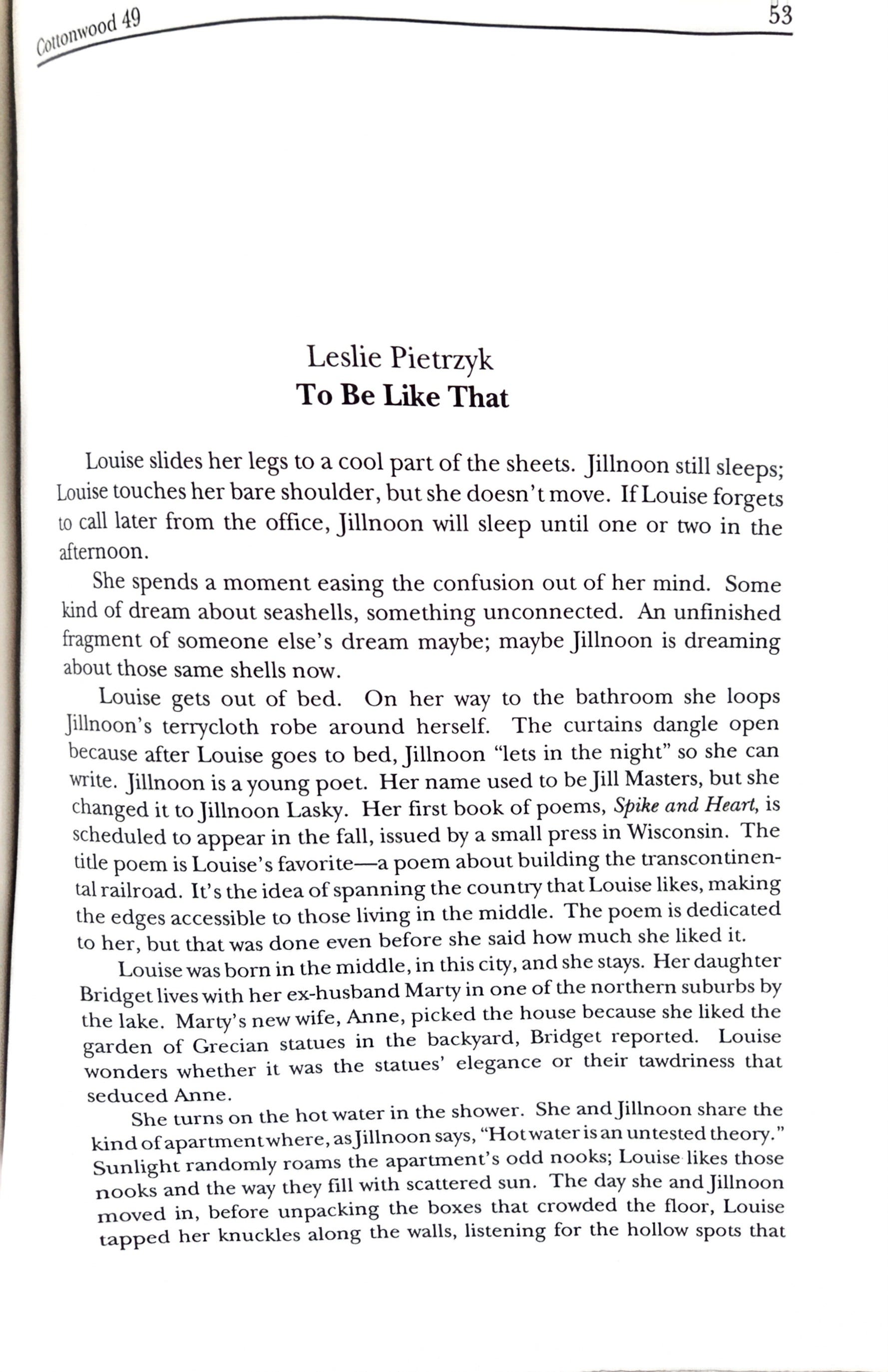
Back then, I only wrote in the third person*, so “To Be Like That” is third person, about Louise, a suburban Chicago mom/wife who has left her husband and daughter and is now living with a fabulous, gay pixie girl, Jillnoon—back when such things were seen by the culture as unconventional and perhaps even “scary.” Louise and her ex-husband have agreed on a visitation schedule for the 11ish-year-old daughter, Bridget, but it’s clear that the new wife/step-mother considers Louise a “bad influence.” Things come to a head when the step-mother catches Bridget and her best friend kissing during a sleepover, and the husband reads the riot act to Louise, threatening to keep Bridget from her unless she “talks” to the daughter and, well, straightens her out. Obviously, Louise feels conflicted since she’s living a very happy life as a gay woman. In the end, Louise takes a stab at a conversation about the sleepover kiss while she and Bridget catch the vastness of a view of Lake Michigan from a (real-life) lighthouse (where I was briefly a volunteer docent) in Evanston, Illinois. Louise can’t continue the conversation and offers this last line instead:
She speaks quickly: “You shouldn’t be kissing your friends that way.”
“What?”
“Nothing,” Louis says. “See how the sky and water mingle along the edge. I want us always to be like that.”
I call this a breakthrough story because I wasn’t writing about myself:
~I’m not gay and only wish I knew someone as cool as Jillnoon, who’s a poet!
~I’m not a mom! And have never had custody battles!
~I’ve not been through a divorce!
Choosing a scenario so far from my young life felt freeing right then, just as writing a story for myself and not for my thesis/workshop felt freeing. While Louise overly-ruminates (like me), Jillnoon is pure action and certainty, very confident in her lifestyle and choices, and I remember having so much fun thinking about her. (Her original name in the story was Jill but she changed it herself to Jillnoon, which is a name that simply popped into my head from nowhere right at the moment of drafting that first scene—same origin story of how everyone’s favorite raccoon got the name Jimothy! Plus, for whatever reason, I recognize I have an affinity for names that begin with J.)
Pondering the (to me at the time) “adult” issues of divorce and responsibility to a child were heady topics to write about. I guess, too, that though the rereading shows me I got a few things wrong (see below), I also felt a deep confidence in this story when I finished. I knew it was good…and I kept that confidence through 35 rejections. THAT IS A BREAKTHROUGH, when you feel certainty about your work, without needing a teacher or class telling you it’s “good.”
(*Around this time, I wrote another breakthrough story [about myself], but for the first time using a very voice-y first person point-of-view. WOW! I never looked back, and now I write mostly in the first person, and I have no idea why my teachers were so keen on steering us into third. Clearly, finishing the MFA was GOOD for my writing life! [That story was never published, proving a breakthrough story can be meaningful regardless of publication.])
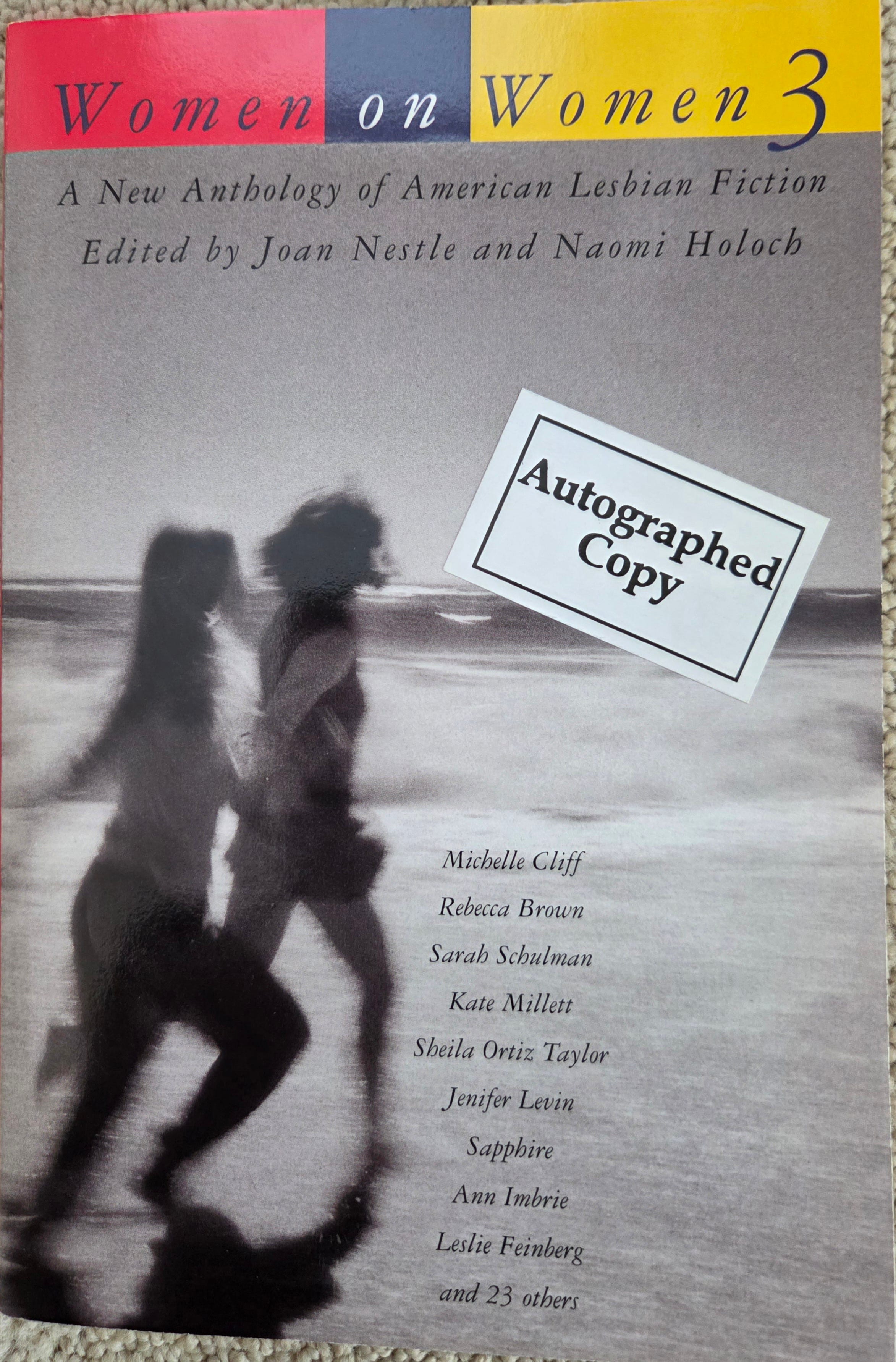
After all those years of waiting to see “To Be Like That” in print, I got a bonus publication, in the anthology Women on Women 3, A New Anthology of American Lesbian Fiction, edited by Joan Nestle and Naomi Holoch. That was exciting, as this was (I think?) the first time my work had appeared in an actual book—but I’ll confess that I felt slightly guilty that I wasn’t gay, but there I was, in a book about and for gay women.
Was my story appropriation? Was this anthology publication stealing a slot from a gay woman writer? Or was my story good and who cares about an author’s personal life? These are questions we ask often these days. At one of the WOW3 readings, another of the writers told me she was happy I was writing about lesbians, which comforted me. I believe we can write outside our experience, but we have a moral obligation to do the work to get things right. Did I do the work back then? I don’t think that at this time in my life, I was friends with any gay women. I didn’t do any research. Instead, right or wrong, I admit I went with William Faulkner, who said,
“[A writer] must teach himself that the basest of all things is to be afraid; and, teaching himself that, forget it forever, leaving no room in his workshop for anything but the old verities and truths of the heart, the old universal truths lacking which any story is ephemeral and doomed—love and honor and pity and pride and compassion and sacrifice.”
I wrote my story about people and the truths of their hearts. That, too, is a breakthrough.
Rereading just now shows something I wouldn’t write today, when Louise muses on whether Jillnoon might end up married to a man because she wants a child, because she’s “young”. Kind of insulting! I’d like to blame Louise for not being knowledgeable, because clearly on the page, Jillnoon is happily gay—but I’m pretty sure the author’s lack of knowledge is to blame here.
As for craft errors, it’s almost comical that this first page breaks 3 “rules” of writing:
1. We start with someone waking up.
2. There’s reference to a dream (mercifully brief!). In my defense, the dream comes up again—but there’s also another dream in this story.
3. One of the characters is a writer.
I wouldn’t make some of these choices today, that’s for sure. But as they say, break any rule you want, as long as you make it work! Does it work here? Well enough for this slow-paced, meditative story. (Maybe this cliched opening was a dealbreaker for some editors along the way? Likely.)
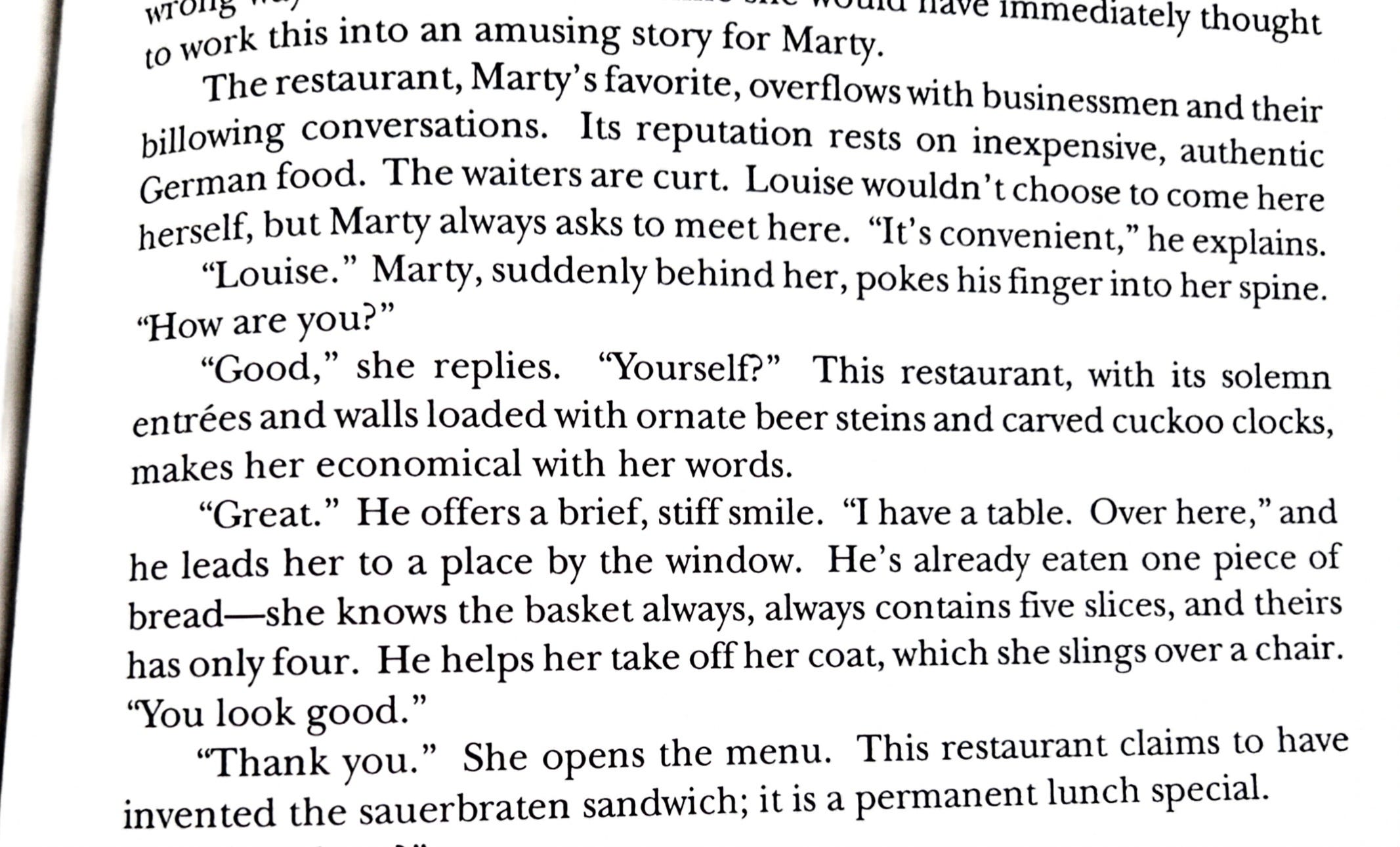
I like reading the description of the German restaurant in Chicago where Louise meets her ex-husband because it’s so clearly The Berghoff, which I haven’t thought about in ages:
As for Cottonwood, this journal is still publishing online! I shouldn’t be so shocked, but what a nice surprise. It’s based at the University of Kansas and is accepting submissions. (Note for writers of looooong stories: their word count goes up to 8K!)
This is funny: the contributors’ notes include the writers’ mailing addresses--!! A relief no one stalked me after the journal appeared, but also, I don’t recall getting any inquiries from eager agents.
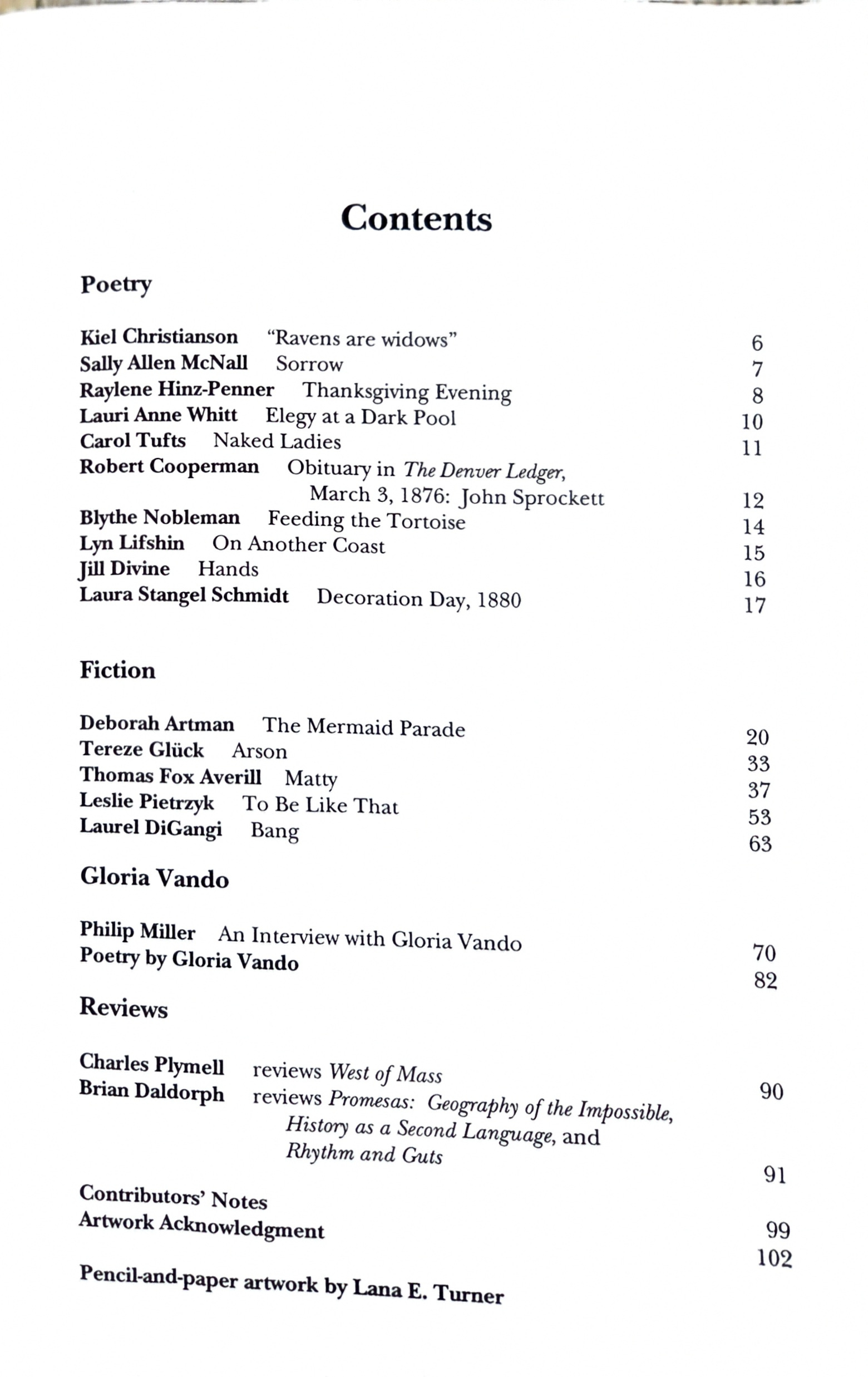
Table of Contents:
I love this, Leslie! As usual! Thinking about your choices as a writer in 1985 40 years later takes some pluck!! But did you tell us the last line that your friend liked??
Thank you for including the last line! I was going to complain if it was omitted - LOL.